November 3, 2026
Clean water is essential for everyday activities, from drinking and cooking to bathing, cleaning, and operating household appliances. However, water quality can vary depending on its source, treatment process, and the condition of the plumbing system. Some properties experience hard water, while others may have concerns involving sediment, unpleasant odors, or specific contaminants. Finding the right professional to address these issues can help property owners make informed decisions about their water quality.
Choosing a reliable water treatment company involves more than comparing prices or selecting the first provider in a search result. Homeowners should consider a company's experience, available services, equipment recommendations, customer service, and approach to water testing. These factors can influence how effectively a treatment system addresses a property's needs and how well it performs over time.
Elhorn Company understands the importance of evaluating water treatment options carefully. By knowing which qualities to look for in a provider, property owners can feel more prepared to compare services, ask useful questions, and choose a solution that supports their household's water needs.
Evaluating Experience and Industry Knowledge
Experience is an important quality to consider when selecting a water treatment company. Water quality concerns can vary significantly between properties, and an experienced provider should understand how different conditions affect treatment requirements. Familiarity with water softeners, filtration systems, and other treatment technologies can help a company identify potential solutions based on a property's specific circumstances.
Industry knowledge also helps providers explain the differences between treatment methods. For example, water softeners are commonly used to address hardness caused by dissolved calcium and magnesium. Filtration systems, on the other hand, can target particular substances depending on the filter media and system design. Other treatment technologies may be appropriate for different water quality concerns.
A knowledgeable professional should be able to explain why a particular system may be suitable and identify its limitations. Rather than recommending the same equipment for every customer, the company should consider factors such as water source, household size, daily usage, and existing plumbing.
When evaluating a provider, ask about its experience with properties that have similar water concerns. Find out whether its technicians receive relevant training and how the company stays informed about equipment developments and treatment recommendations. These questions can help you determine whether the provider has the knowledge necessary to guide you through the selection process.
Assessing Water Testing and Treatment Recommendations
A dependable water treatment company should recognize that effective treatment begins with understanding the water itself. Without appropriate testing, it can be difficult to determine which system will address a property's needs. Guessing may lead to unnecessary equipment purchases or a solution that fails to resolve the original concern.
Water testing can help identify characteristics such as hardness, pH, and the presence of certain contaminants. The appropriate testing method depends on the property's water source and the issue being investigated. Municipal water customers may have access to public water quality reports, while private well owners generally need to arrange testing suited to their circumstances.
For private wells, testing may include checking for bacteria, nitrates, and other substances based on local conditions and public health guidance. Additional testing may be appropriate if the water has an unusual taste, odor, appearance, or other concerning characteristics. A qualified provider should explain which tests are relevant and when an independent certified laboratory may be appropriate.
After reviewing the results, the company should recommend equipment that addresses the identified issues. A provider should also explain what the proposed system can and cannot remove. Not every filtration system treats every contaminant, and a water softener should not be presented as a universal solution for all water quality problems.
Clear recommendations help customers understand why a particular treatment approach makes sense. Choosing a water treatment company that prioritizes testing and explains its findings can reduce uncertainty and help prevent spending money on equipment that does not meet the property's needs.
Comparing Available Systems and Treatment Options
Water treatment equipment comes in several forms, and the right choice depends on the problem being addressed. A reliable provider should offer access to appropriate solutions and explain the differences between them. Understanding these options allows property owners to compare equipment based on performance, maintenance, and operating costs rather than appearance or price alone.
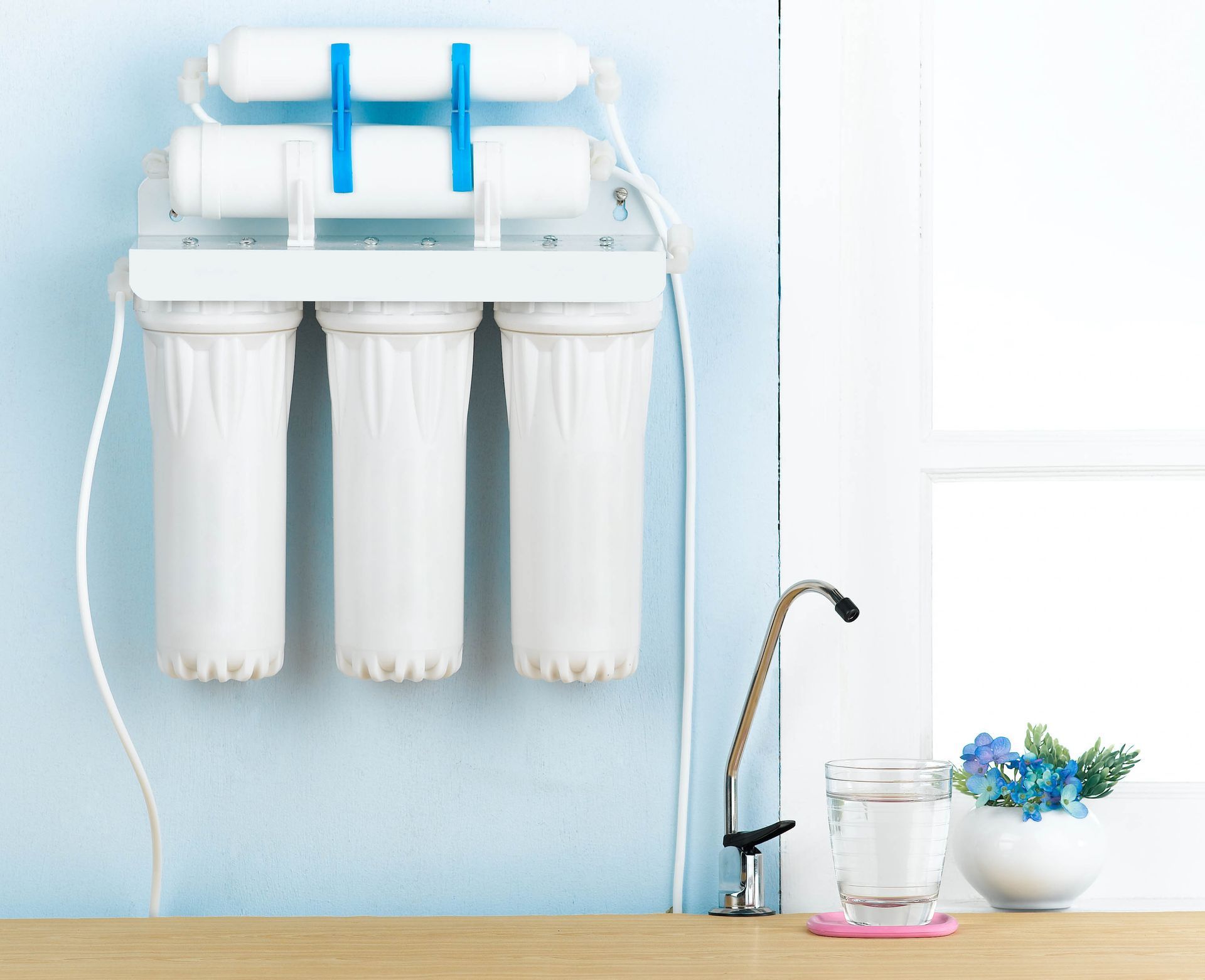
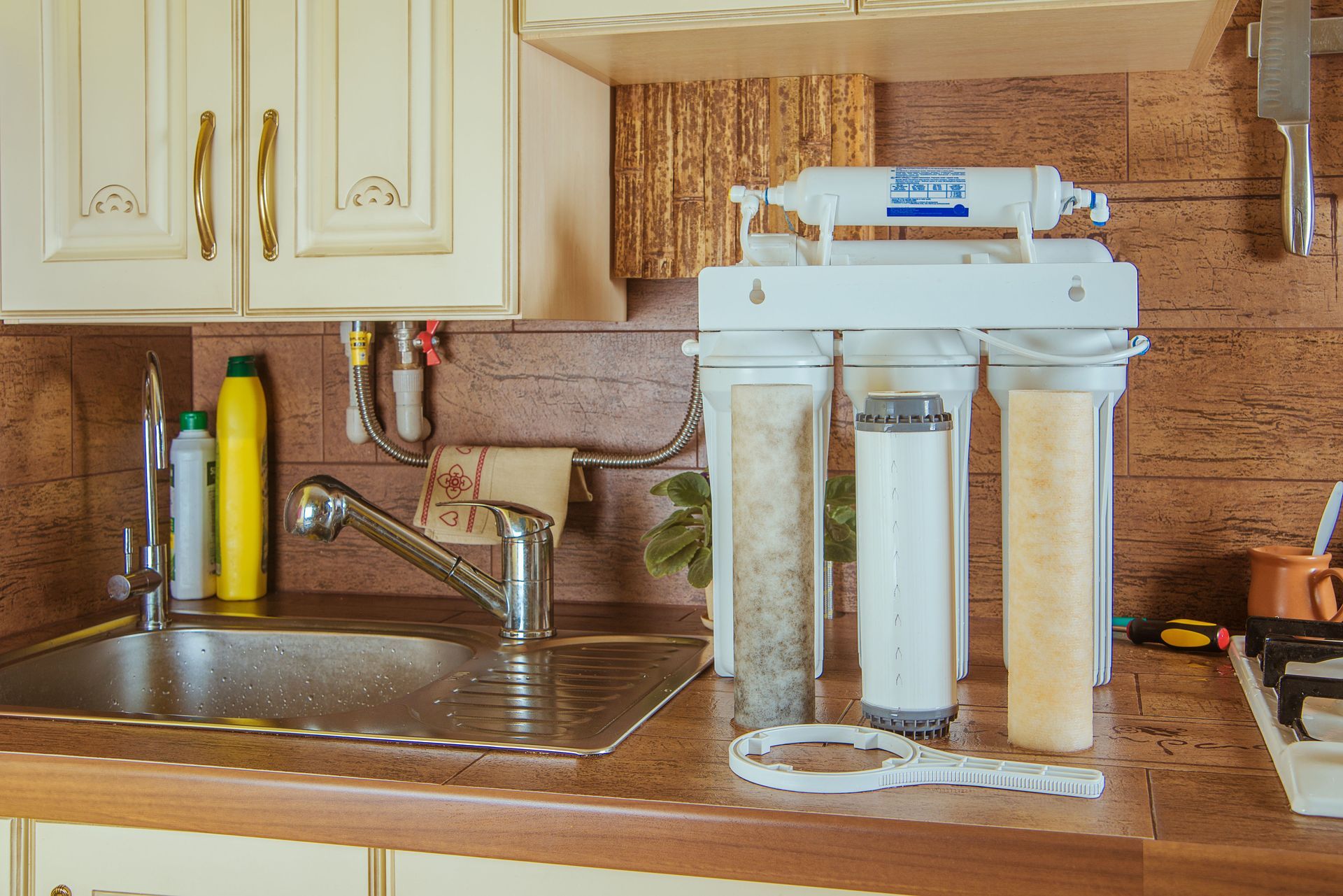
Water softeners are commonly used to reduce hardness by exchanging calcium and magnesium ions for other ions, typically sodium or potassium. This process can help reduce scale buildup in plumbing fixtures, water heaters, and appliances. Filtration systems use different materials or processes to target specific substances, while reverse osmosis systems can reduce various dissolved substances when properly designed and maintained.
Other treatment options may include ultraviolet disinfection for certain microbial concerns, activated carbon filtration for selected contaminants and taste issues, or specialized systems designed for particular water chemistry conditions. Each technology has limitations, so equipment selection should be based on verified water quality information and the manufacturer's specifications.
System sizing is another important consideration. According to the US Department of Energy, for larger residential properties, a water softener with a grain capacity ranging from 80,000 to 100,000 is ideal. However, the appropriate capacity depends on water hardness, household consumption, regeneration requirements, and other factors. Property owners should confirm sizing recommendations with a qualified professional instead of relying on property size alone.
A knowledgeable water treatment company should explain how a proposed system operates, what it is designed to address, and whether additional treatment stages are necessary. The company should also discuss installation requirements and any limitations associated with the equipment.
Reviewing Installation Standards and Technical Support
Even well-designed treatment equipment may not perform as intended if it is installed incorrectly. Installation quality can affect system performance, water pressure, drainage, and the reliability of connected plumbing. For this reason, it is important to select a provider that takes installation requirements seriously.
Before hiring a company, ask how its installation process works and who will perform the work. Find out whether technicians have relevant training and whether the company follows applicable plumbing codes, manufacturer instructions, and local requirements. Depending on the system, installation may involve drainage connections, electrical components, bypass valves, or adjustments to existing plumbing.
A thorough installation process should include checking connections, configuring system settings, and confirming that the equipment operates as intended. The technician should explain how to use the system and identify any routine tasks the homeowner will need to perform.
Technical support is equally important. Customers may need help understanding system alerts, adjusting settings, replacing filters, or addressing changes in performance. A company that can explain these issues clearly can make ongoing ownership easier.
Selecting a water treatment provider is an important decision that can influence household water quality, equipment performance, and long-term expenses. By evaluating experience, testing procedures, available technologies, installation practices, pricing, and customer support, property owners can make a more informed choice.
The best provider will focus on the property's actual water conditions rather than recommending equipment based on assumptions. Clear explanations, appropriate system sizing, transparent estimates, and realistic performance expectations are all valuable qualities to look for during the selection process.
Elhorn Company recognizes the importance of finding water treatment solutions that align with individual property needs. Taking time to ask questions, compare recommendations, and understand maintenance requirements can help homeowners identify an approach that fits their circumstances.
Ultimately, choosing the right
water treatment company means looking beyond the initial purchase. A provider that emphasizes suitable equipment, responsible recommendations, and ongoing care can help property owners manage their water treatment needs with greater confidence. Contact us today for more information.