August 28, 2026
Clean, safe water is essential for drinking, cooking, bathing, and countless household activities. While municipal water systems and private wells are subject to various safety measures, the quality of water can still vary based on its source, plumbing, geography, and other factors. Water treatment products can provide an additional way to address specific water quality concerns and improve the characteristics of water used throughout a home or business.
From filtration systems to water softeners and disinfection solutions, these products are designed for different purposes. Understanding how they work, what they address, and which applications they are suited for can help consumers make more informed decisions. The right approach depends on the contaminants or characteristics that need to be addressed rather than simply choosing the most comprehensive system available.
What Are the Different Types of Water Treatment Products?
Water treatment products encompass a broad range of equipment and treatment methods. Some are designed to physically remove particles and contaminants, while others alter the chemical properties of water or address microorganisms.
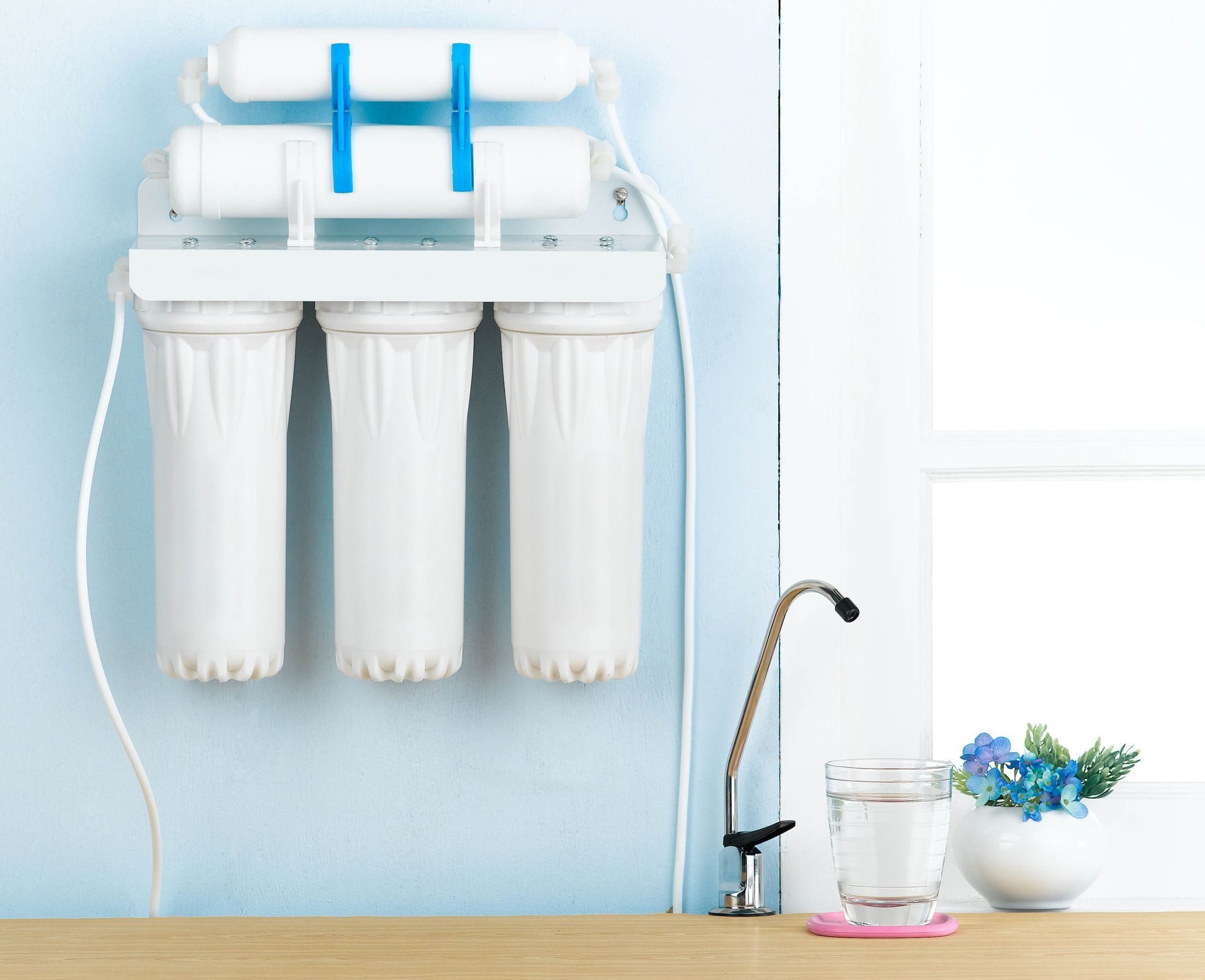
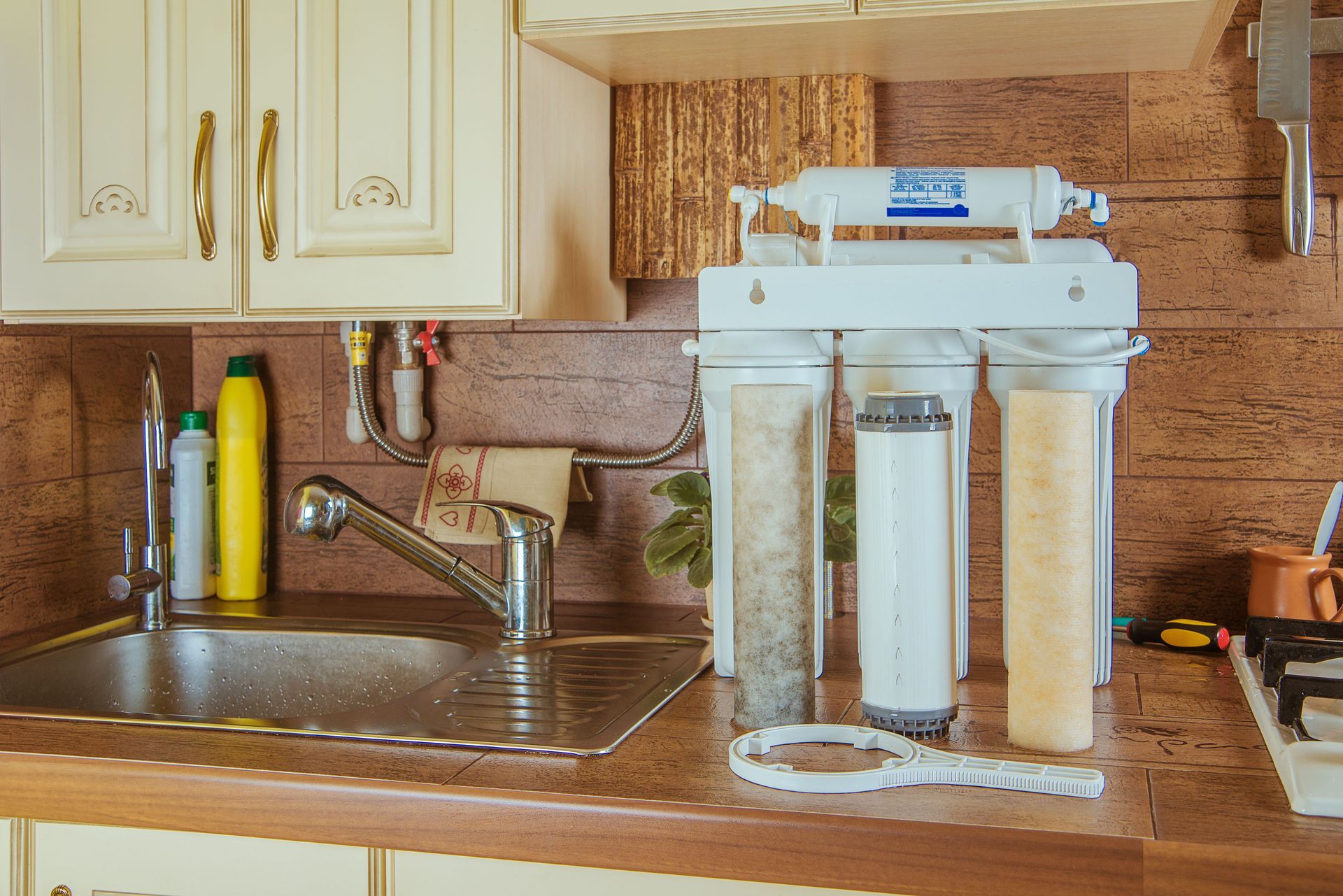
Water filters are among the most common options. Sediment filters can capture particles such as sand, dirt, and rust, while activated carbon filters can reduce chlorine, certain odors, and some organic compounds. More advanced filtration technologies may target specific contaminants based on their design and certification.
Water softeners serve a different purpose. They are generally designed to reduce hardness minerals, particularly calcium and magnesium, that can contribute to scale buildup. Reverse osmosis systems use a semipermeable membrane to remove many dissolved substances from water and are often installed at a particular drinking-water tap.
Disinfection products and systems provide another category. Ultraviolet systems can use UV light to inactivate certain microorganisms without adding chemicals to the water. Chemical treatment can also be used in appropriate applications to control microorganisms or alter water chemistry.
Because different water treatment products address different concerns, identifying the actual water quality issue is an important first step.
How Do Water Treatment Products Work?
The way a treatment system works depends on the technology it uses and the contaminants it is intended to address. Mechanical filtration, for example, relies on a physical barrier that traps particles as water passes through the filter. The size and construction of the filter determine which particles it can capture.
Activated carbon works differently. Its porous material provides a large surface area that can adsorb certain compounds as water passes through it. This can help improve taste and odor while reducing certain contaminants.
Water softeners typically use ion exchange. As hard water passes through resin, calcium and magnesium ions are exchanged for other ions, reducing the concentration of hardness minerals in the treated water. The resin eventually needs to be regenerated so that the system can continue operating effectively.
Reverse osmosis uses pressure to push water through a membrane while limiting the passage of many dissolved substances. UV treatment, meanwhile, exposes water to ultraviolet light intended to disrupt microorganisms so they cannot reproduce normally.
Understanding these mechanisms is important because no single treatment method removes every possible contaminant. A product should be matched to the specific water quality concern it is designed to address.
What Are the Benefits of Using Water Treatment Products?
One major benefit of appropriate water treatment is improved water quality. Depending on the technology selected, treatment may reduce unwanted particles, odors, tastes, hardness minerals, or certain contaminants. This can make water more suitable for particular household uses.
Water softening can also help address problems associated with hard water. Scale can accumulate inside plumbing fixtures, appliances, and water heaters, potentially affecting their performance over time. Reducing hardness can help minimize these deposits and make cleaning easier in some households.
According to US Water Systems, only about 25% of households have a water softener installed. That figure illustrates that many households do not use softening equipment, even though hard water is a common concern in many areas.
There can also be practical benefits to selecting appropriate water treatment products. Improving water characteristics may reduce reliance on bottled water for certain uses, potentially decreasing plastic waste. A properly selected system may also provide convenient treatment directly where water is consumed or throughout a building.
However, benefits depend on proper application. A treatment system that does not address the actual water quality issue may provide little value. Testing water before selecting equipment can therefore help consumers focus on solutions that have a specific purpose.
How Do You Choose the Right Water Treatment Product?
The first consideration should be the quality of the water being treated. Homeowners using private wells may want to have their water tested periodically because conditions can vary based on local geology, nearby land use, and changes to the well itself. Municipal water customers can review available water quality information and consider additional testing when they have concerns.
The next step is identifying the specific problem. Cloudiness may point toward sediment, while persistent hardness can indicate elevated calcium and magnesium. An unusual taste or odor can have several possible causes, so testing can be more useful than relying solely on appearance or smell.
Consumers should also consider where treatment is needed. Point-of-use systems treat water at a particular location, such as a kitchen faucet. Point-of-entry systems treat water as it enters the building, allowing treated water to reach multiple fixtures.
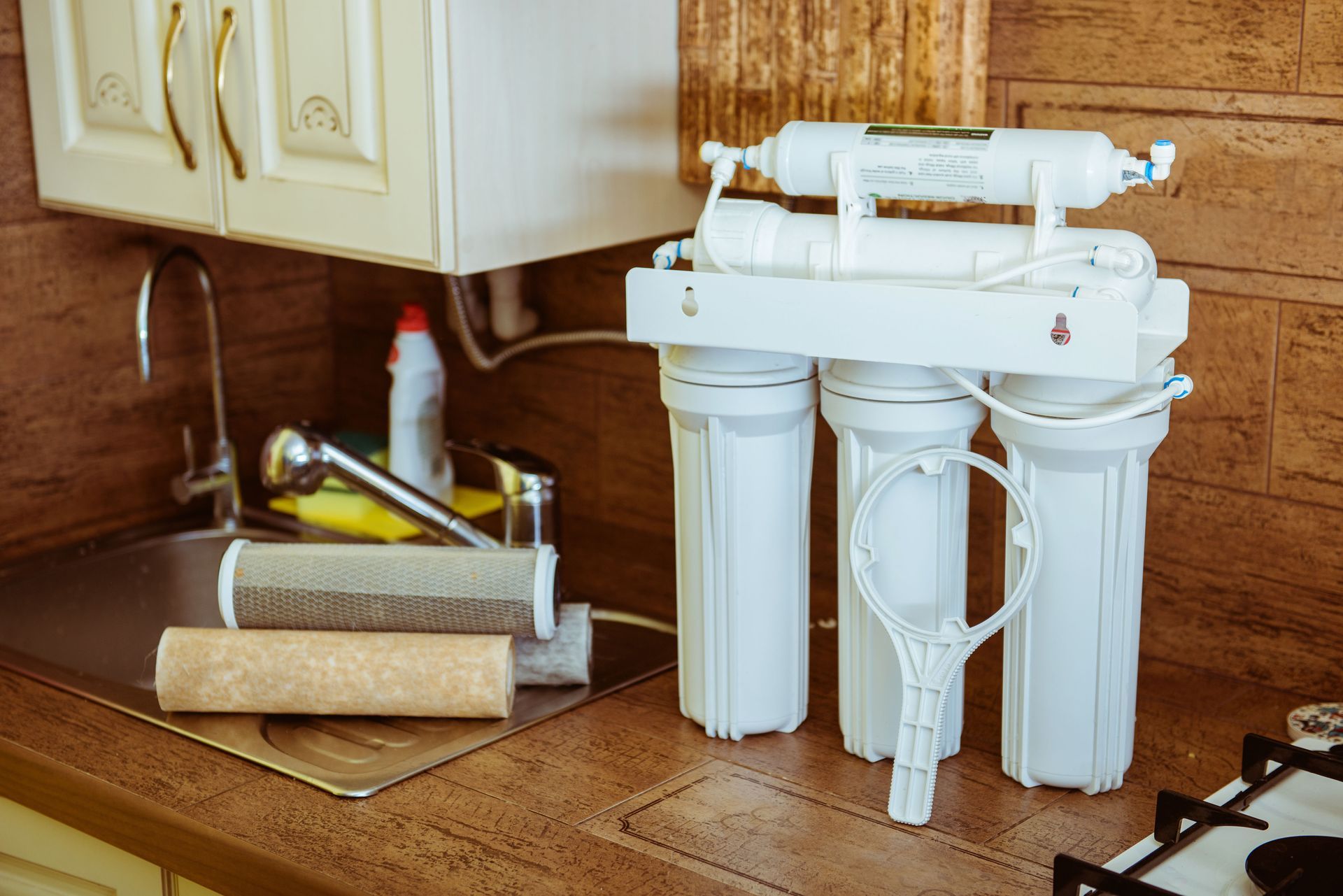
Capacity, maintenance requirements, installation needs, and operating costs also matter. Filters have replacement schedules, softeners require regeneration, and some systems require electricity or periodic servicing. Comparing these factors can help determine whether a system is practical for the household.
Consumers should also look for products that have been independently tested or certified for the contaminants and claims relevant to their needs. Certification does not mean a system treats every possible contaminant, so the specific claim should still be reviewed carefully.
Are There Any Risks Associated With Water Treatment Products?
Water treatment systems can provide useful benefits, but improper selection, installation, or maintenance can create problems. For example, a filter that is not replaced according to its maintenance schedule may become less effective. Poorly maintained equipment can also become a source of unwanted microbial growth.
Over-treating water can present another concern. Some treatment processes remove minerals or substances that are not necessarily harmful, while others may alter water chemistry. Consumers should avoid assuming that more treatment automatically means better water.
Water softeners also require consideration of salt use and wastewater. Depending on the system, regeneration can consume water and discharge concentrated brine. Consumers concerned about resource use can investigate system efficiency and alternative technologies where appropriate.
Installation is another factor. Incorrectly installed water treatment products may leak, perform poorly, or fail to provide the intended treatment. Following manufacturer instructions and using qualified professionals when necessary can reduce these risks.
Finally, treatment equipment should not be viewed as a substitute for identifying the source of a serious contamination problem. If testing reveals a significant water quality issue, the underlying cause should be investigated in addition to considering treatment.
Water quality can be influenced by numerous factors, and different treatment technologies are designed to address different concerns. Filters, softeners, reverse osmosis systems, and disinfection technologies each operate differently and have specific applications.
The most effective water treatment products are those selected according to an identified water quality need. Testing the water, understanding the treatment technology, reviewing maintenance requirements, and considering long-term costs can all help consumers make informed choices.
Rather than selecting a system based solely on marketing claims, consumers can focus on what their water actually requires. With the right information and appropriate maintenance, water treatment products can be a practical tool for improving water quality and addressing specific household concerns. If you're in the market for water treatment solutions, reach out to Elhorn Company today!